
Beyond the Honeymoon: Why Utility Isn’t Enough
In the world of newsletter publishing, we often talk about the ‘honeymoon phase.’ It’s that brief, golden window right after a subscriber signs up where open rates are high, every link is clicked, and the novelty of your voice is fresh. But for most creators, this period is followed by a slow, agonizing slide into the ‘Chasm of Churn.’ The novelty wears off, the inbox gets crowded, and suddenly, your carefully crafted insights are being sent straight to the archive—or worse, the unsubscribe link.
The standard advice for fixing this is to ‘provide more value.’ But in my view, this is a hollow command. In an era of infinite information, ‘value’ has become a commodity. If your retention strategy relies solely on being useful, you are essentially competing on price in a market where the price is already zero. People don’t stay subscribed because you gave them three more links or a better productivity tip. They stay because you’ve invited them into a story they aren’t ready to leave yet.
The Trap of Perpetual Novelty
The mistake many publishers make is trying to reinvent the wheel every week. They chase the latest trends, pivot their topics to match the news cycle, and treat each edition as a standalone product. While this might capture attention momentarily, it fails to build the psychological ‘hook’ required for long-term loyalty. When you lead with novelty, you train your audience to expect a dopamine hit. The moment you fail to deliver a bigger, shinier insight than the last, they lose interest.
I would argue that the most successful newsletters—the ones that survive for years—function less like news reports and more like serialized novels. They have a consistent internal logic, a recurring cast of ideas, and a sense of forward momentum. To keep a subscriber after the novelty wears off, you have to stop selling them information and start selling them a transformation.
Building a World, Not a Mailing List
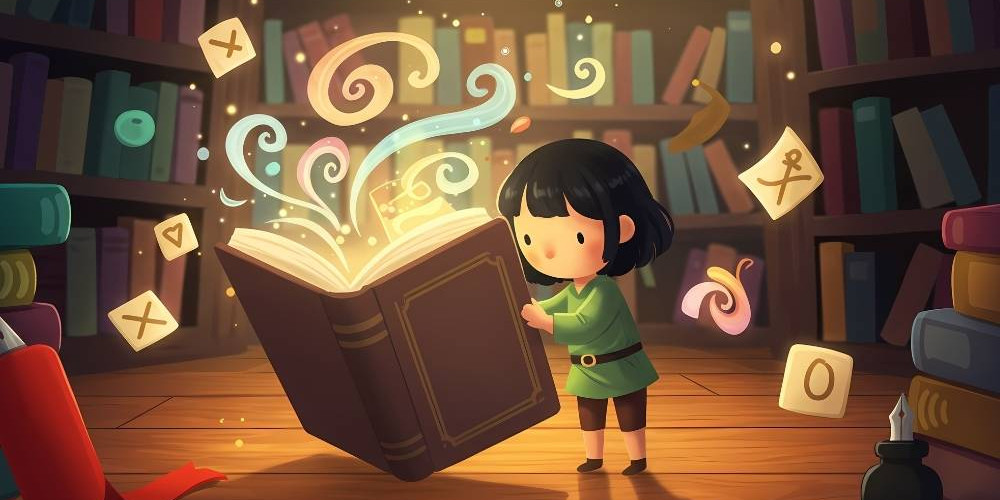
The secret to high retention lies in world-building. This isn’t just for fantasy novelists; it’s for anyone who wants to hold an audience’s attention. Your newsletter should feel like a specific place with its own atmosphere, vocabulary, and perspective. When a subscriber opens your email, they should feel like they are stepping back into a familiar conversation, not just receiving a broadcast.
To achieve this, your content needs to move beyond the transactional. You need a narrative thread that connects last week’s email to this week’s, and this week’s to the next. This creates what I call ‘narrative debt’—a psychological state where the reader feels they need to keep reading to see how your particular worldview or project unfolds.
Key Elements of a Narrative-Driven Newsletter
- The Recurring Conflict: Every great story has an antagonist. In a newsletter, this is the ‘wrong’ way of thinking or the status quo you are fighting against.
- The Evolution of Ideas: Don’t just state facts; show how your thinking is changing. This makes the reader a co-traveler on your journey.
- Consistent Internal Language: Use specific terms or metaphors that only your subscribers understand. It builds a sense of belonging.
- The Open Loop: End your editions with a question or a hint at a future exploration. Give them a reason to look for your name in their inbox next Tuesday.
Why Imagination is the Ultimate Retention Tool
We often think of newsletters as logical tools—ways to learn or get ahead. But the human brain is wired for imagination, not just data. When you use narrative and imagination to frame your ideas, you tap into a deeper level of engagement. You aren’t just telling someone how to do something; you are helping them imagine who they could become.
In my perspective, the newsletters that feel ‘timeless’ are those that connect their niche topics to larger, more enduring human stories. Whether you are writing about AI, finance, or gardening, there is always a deeper narrative at play—a story of mastery, of fear, of discovery, or of legacy. If you can tap into those themes, you move from being a ‘service’ to being a ‘staple’ in your reader’s life.
The Shift from Publisher to Storyteller
If you find your churn rates climbing, the solution isn’t necessarily to write more or to ‘optimize’ your subject lines. The solution is often to look at the ‘arc’ of your content. Ask yourself: If someone read the last five issues of my newsletter, would they feel like they are halfway through a book, or just like they’ve seen five random billboards?
Retention is the byproduct of connection. And connection is the byproduct of a shared story. Stop trying to be the most ‘useful’ person in the inbox. Instead, strive to be the most interesting character in your subscriber’s week. When you stop being a source of information and start being a source of imagination, the ‘novelty’ never actually wears off—it simply evolves into a relationship.
The reality is that people don’t unsubscribe from stories they are a part of. They only unsubscribe from noise. Make sure you aren’t just making noise.
Related Posts

Why a welcome sequence is actually the beginning of a story
Transform your email welcome sequence…

Why the best curated newsletters still feel like a timeless story
Explore why the best curated…